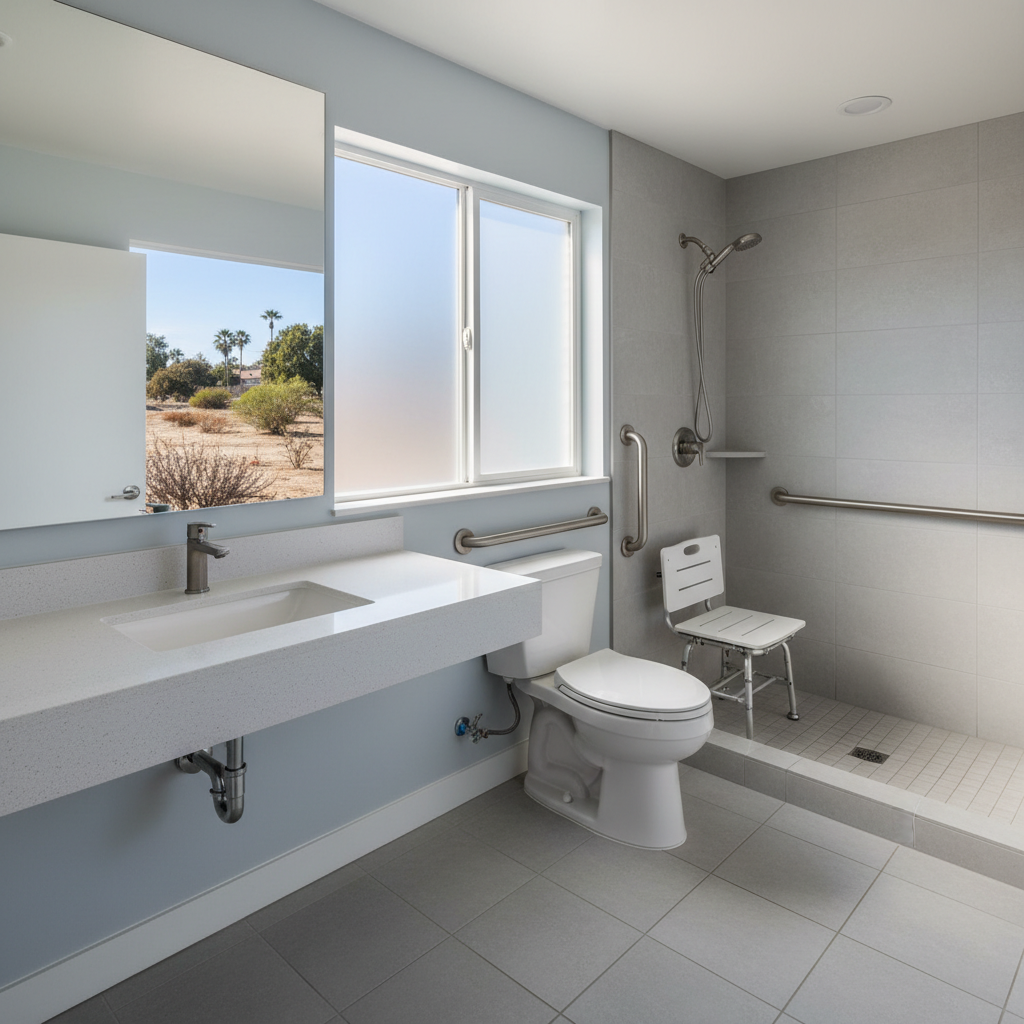
Thinking about making your bathroom easier to use? That's a smart move, whether you need it now or you're just planning for down the road. I've helped lots of folks right here in Gardena create bathrooms that are safe, work well, and still look fantastic. It's not just about slapping up some grab bars, you know? It's really about smart design that makes daily life a whole lot simpler. So, let's chat about what you should know to get this project rolling.
Setting Your Project Timeline
How long does an accessible bathroom remodel actually take? That's a question I hear constantly. The honest truth? It really depends. A simple swap, like taking out a tub and putting in a roll-in shower, might only take 2-3 weeks once we start construction. But a full gut job, especially if we're moving walls around or rerouting plumbing lines, could easily stretch to 4-6 weeks, sometimes even more. And remember, that's just the building part.
Before we even pick up a hammer, there's the whole planning and design stage. This can last anywhere from a few weeks to a couple of months. You've got to think about:
- Our first chats and site visits
- Working out the design and making changes
- Picking out all your materials (tiles, fixtures, vanity, you name it)
- Getting permits (the City of Gardena can sometimes take a minute, so don't try to rush that part)
- Scheduling everything with your chosen contractor
So, from your very first idea to the final inspection, you're probably looking at a 3-5 month process for a big accessible bathroom remodel. Don't let that number scare you off; it's totally worth it for the peace of mind and a better quality of life.
What to Expect During the Process
Once we actually get going, things tend to move pretty fast. Here's a quick rundown of what you'll see:
- Demolition: This is usually the messiest and loudest bit. We'll rip out the old fixtures, flooring, and anything else that's leaving. We always do our best to keep dust contained and protect your home, but yeah, expect some noise and disruption.
- Rough-in: This is when new plumbing and electrical lines go in. If we're shifting a toilet or adding new outlets, this is the time for it. Inspections often happen right after this phase.
- Framing & Drywall: If we're changing the layout or adding blocking for grab bars, new framing goes up. Then the drywall goes on, gets taped, mudded, and sanded smooth.
- Flooring & Tiling: Here's where your chosen tiles get laid down. For accessible bathrooms, we're usually looking at non-slip surfaces and curbless shower entries, which need really careful planning and installation.
- Cabinetry & Fixtures: Your vanity, accessible sink, toilet, and shower fixtures get put in place.
- Finishing Touches: Paint, grab bars, mirrors, lighting, and any other accessories are installed.
Throughout all this, good communication is absolutely key. We'll keep you updated on how things are going and if any surprises pop up. It's truly a team effort, and we always value your input.
How to Prepare Your Home and Yourself
Getting ready for a remodel can feel a bit overwhelming, but a little prep work goes a long way. First off, clear out the bathroom completely. Take out all personal items, towels, decorations, and anything you don't want covered in dust or simply in the way. If you have any sentimental stuff, pack it away somewhere safe.
Think about your daily routine. Where will you shower? Where will you get ready? If this is your only bathroom, you'll definitely need a plan for using another one or making other arrangements. We'll do our best to keep the impact minimal, but there will be times when the bathroom is just completely unusable.
Oh, and make sure there's a clear path for our crew to bring in materials and take out debris. If we're working on a home in one of Gardena's older neighborhoods, say with narrow driveways or tight side yards, we'll talk through the logistics to make sure everything runs smoothly.
Questions to Ask Before Signing a Contract
Before you commit to any contractor, please make sure you've got all your questions answered. This isn't just about the price tag; it's about trust and making sure you get exactly what you need for an accessible space. Here are some important ones:
- What's your experience with accessible bathroom remodels specifically? It's different from a standard remodel, believe me. You want someone who really understands ADA guidelines, how to install grab bars correctly, curbless shower construction, and all the accessible fixture options.
- Can you give me references for similar projects? Talk to past clients. Ask them about their experience with communication, how the timeline went, and what they thought of the final result.
- What's actually included in the quote? Be crystal clear here. Does it cover demolition, materials, labor, permits, and debris removal? Are there any allowances for materials, and what happens if I spend more or less than that?
- What's your payment schedule? A good, reputable contractor won't ask for 100% upfront. There should be a reasonable deposit, payments as work progresses, and a final payment once the job is done and you're happy.
- How do you handle changes or unexpected issues? Things can always come up, right? You want a process for change orders that's fair and totally transparent.
- What kind of warranty do you offer on your work? Good contractors stand behind what they build.
- Are you licensed and insured? Always, always verify this. For us at Gardena Custom Bathrooms, we're fully licensed and insured, protecting both you and our crew.
Planning an accessible bathroom remodel is a big step, but with the right preparation and the right team, it's a truly rewarding one. Don't hesitate to ask questions and take your time making decisions. You're creating a space that will serve you well for many, many years to come.