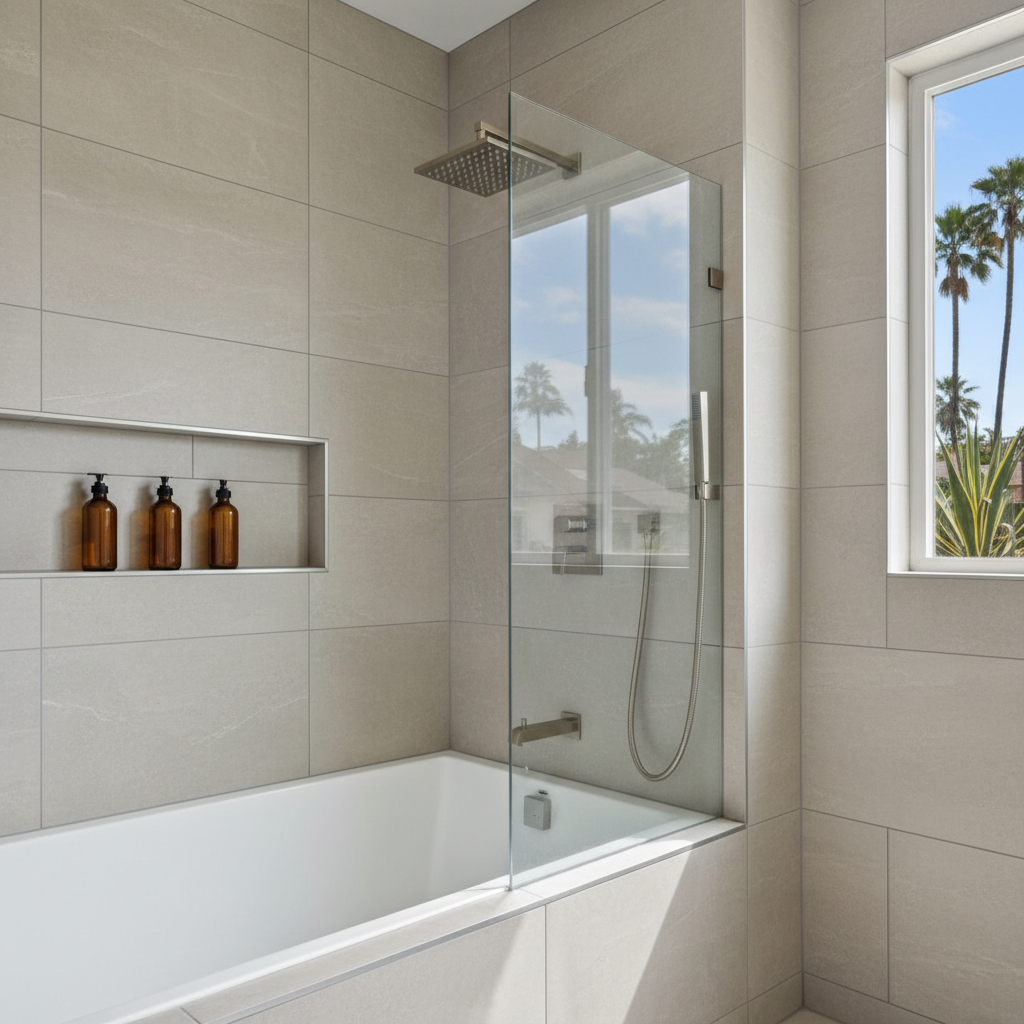
Alright, so you're thinking about upgrading your bathroom. Maybe you want a new bathtub, or perhaps a snazzy shower. It's a pretty big project, and I get it — you probably want to save some money where you can. But when you're dealing with critical stuff like plumbing and waterproofing, knowing where to draw the line between a DIY win and calling in a pro is super important. Let's chat about what you need to know before, during, and after installing a new tub or shower here in Gardena.
Before You Even Think About Tearing Anything Out
First things first: planning. You can totally handle this part yourself. Grab a tape measure, check out your space, and look at different tub styles (like alcove, freestanding, or drop-in) or shower types (prefabricated versus custom tiled, for instance). Don't forget your budget, either. A simple tub-to-shower conversion with a prefab unit is a whole different beast than a custom walk-in shower with intricate tile work and a built-in bench.
You'll also need to consider your existing plumbing. Is it in good shape? Are you just swapping out a fixture for an identical one, or are you planning to move things around? If you're relocating the drain or faucet, or changing from a tub to a shower, that's when things get complicated, fast. Drains need a specific slope, and water supply lines have to be *exactly* right. You really don't want to mess with that unless you absolutely know what you're doing. For most homeowners, this is a definite "call a professional" situation.
Another big one: permits. For significant plumbing changes or any structural work, you'll likely need a permit from the City of Gardena. Seriously, don't skip this step. It protects you and makes sure the work meets code. You can research this yourself on the city's website, but a good contractor will usually handle the whole permitting process for you.
During the Installation: Where the Rubber Meets the Road
Okay, let's say you're just replacing an old tub with a new one, same size, same drain location. Can you DIY the demolition? Absolutely. Grab a pry bar and some safety gear, and you can usually get that old tub out. Just be careful not to damage the walls or floor too much. Cleaning up the area and prepping for the new unit? Many handy homeowners can tackle that, no problem.
Now, installing the new unit itself. If it's a simple drop-in tub or a basic prefabricated shower stall, and the plumbing lines up perfectly, you *might* be able to set it. But here's the catch: leveling is critical. If your subfloor isn't perfectly level, or if you don't properly bed the tub in mortar (which I always recommend for stability and sound dampening), you're going to have problems later on. A wobbly tub or a shower pan that doesn't drain right is a total nightmare. And believe me, I've seen plenty of homes in Gardena, especially some of the older ones near the 110, where the foundations have settled a bit, making perfectly level floors a rarity. It happens.
Connecting the plumbing? Unless you're a licensed plumber, don't even think about it. Water leaks are incredibly destructive. A tiny drip behind a wall can lead to thousands of dollars in mold remediation and structural damage. This isn't a place to cut corners, truly. Get a professional plumber. They'll make sure all connections are watertight and meet code.
What about tiling? If you're going for a custom tiled shower, this is an art form. Prepping the walls with waterproof backer board, applying the waterproofing membrane (like a liquid membrane or a shower pan liner), and then laying the tile and grout — it's a multi-step process that needs precision. If you've never tiled before, a shower isn't the place to learn. Uneven tiles, poor grout lines, or worse, a failed waterproofing job, will cost you more to fix than hiring a pro in the first place.
After the Install: Finishing Touches and Long-Term Care
Once the main fixture is in and the plumbing's hooked up, there are still things you can do yourself. Installing the faucet trim, the showerhead, and the drain cover? Yep, you can usually handle that. Caulking around the edges of the tub or shower base? Definitely. Just make sure you use a good quality silicone caulk and apply it neatly. A clean caulk line makes a huge difference in the finished look and, importantly, prevents water intrusion.
Cleaning up the construction mess is also on you, or your contractor if you hired one. Don't forget to protect your new surfaces during any remaining work.
For the long haul, regular cleaning and inspection are important. Check your caulk lines periodically for cracks or gaps, especially in our warm, sometimes humid Gardena climate, which can be tough on sealants. If you spot any issues, address them right away.
Look, a bathroom renovation is a big deal. While you can save money on demolition, cleanup, and some of the finishing touches, for the core installation — the plumbing, the waterproofing, and making sure everything is level and secure — you really should bring in experienced pros. It's an investment in your home's value and your peace of mind. If you're in Gardena and need help figuring out the best approach for your new tub or shower, don't hesitate to give us a call at Gardena Custom Bathrooms. We're happy to talk through your options.